Tesla Model 3 Highland
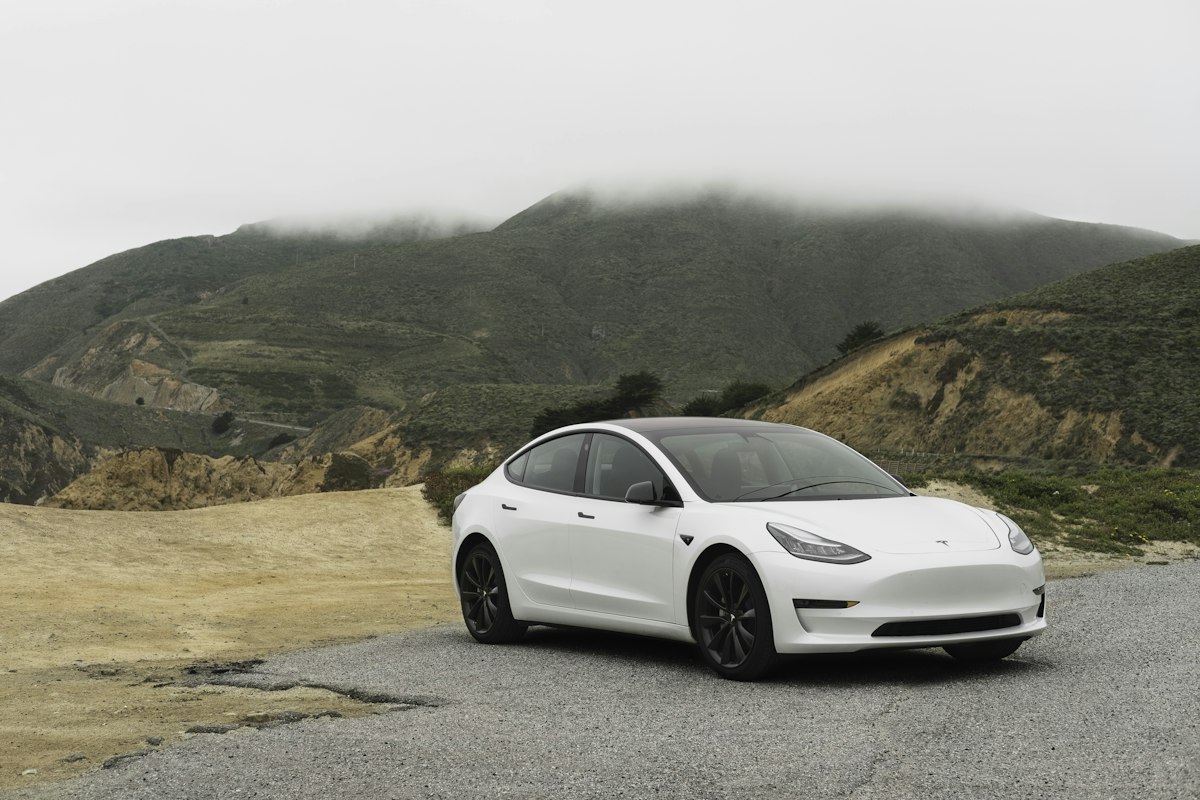
Many people's impression of electric vehicles still remains stuck a few years ago. My dad's generation thinks electric cars are just "toys," and 200 kilometers of range was considered pretty good. People my age generally perceive electric cars as: Teslas are expensive, domestic brands are cheap but not great.
The reality is that the Model 3 Highland starts at 231,900 yuan in China (rear-wheel drive version), with the long-range version at 285,900 yuan. I've been driving one for three months, covered over 8,000 kilometers, and can talk about the real cost of ownership.
The Real Cost of Electricity
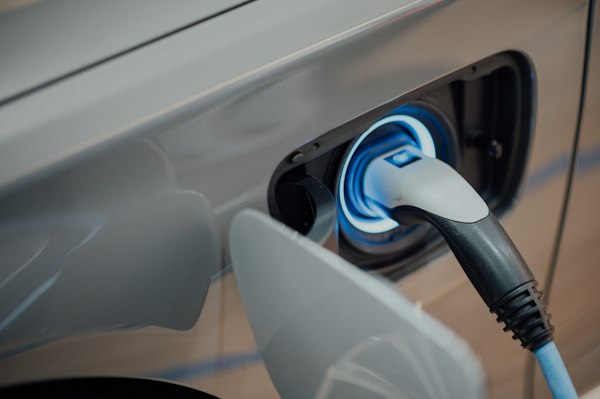
Let's start with electricity costs. I have a home charging station and use peak-valley pricing, with valley electricity at 0.31 yuan/kWh. The Model 3 Highland's actual energy consumption is about 13.5kWh/100km (this is the number I got from my own driving; the official claim is 12.2, but who believes official data). Based on this, the electricity cost per kilometer is 0.042 yuan.
I previously drove a 1.5T gasoline car with fuel consumption of 7.5L/100km. With No. 92 gasoline at 7.8 yuan/liter, that's 58.5 yuan per 100 kilometers. The energy cost of an electric car is roughly 7% of a gasoline car. This difference is real.
Energy Cost Comparison (per 100km)
⚡ Model 3 Highland
⛽ Gasoline Car
Driving 20,000 kilometers a year, a gasoline car costs 11,700 yuan in fuel, while the Model 3 costs 840 yuan in electricity. That's a savings of 10,860 yuan. Over three years, that's 32,580 yuan. This doesn't even include the difference in maintenance costs—a gasoline car needs servicing twice a year at 500-800 yuan each time; the Model 3 needs servicing once a year, about 400 yuan.
When "Saving Money" Is No Longer the Main Selling Point
There's something I've been wanting to say: Tesla and many EV manufacturers like to emphasize "saving on fuel costs" in their marketing, and there's a problem with this claim.
Buying a Model 3 Highland rear-wheel drive costs 231,900 yuan. A comparable gasoline car, like the Camry Hybrid, costs about 190,000 yuan on the road. That's a price difference of over 40,000 yuan. Based on my calculations above, saving just over 10,000 yuan a year, it would take four years to recoup the price difference.
If you compare it to a similarly priced gasoline car, like the BMW 3 Series, then the Model 3 does have an advantage in energy costs. The problem is many people buying the Model 3 aren't switching from a BMW 3 Series; they're upgrading from the Corolla or Sylphy class. In that case, the "saving money" argument doesn't hold up.
I think a more honest way to put it is: the core selling points of the Model 3 Highland are driving experience, intelligence, and brand identity, not saving money. Saving money is just a side benefit, provided you were already planning to buy a car in this price range.
Driving Experience
Instant torque, smooth acceleration, and refined handling that makes daily driving genuinely enjoyable.
Intelligence
Over-the-air updates, advanced driver assistance, and a tech-forward approach to vehicle ownership.
Brand Identity
Tesla represents innovation and forward-thinking, which appeals to a specific type of buyer.
Cost Savings
Lower running costs are a bonus if you're already shopping in this price range—not a reason alone to buy.
About Range Anxiety
Before buying the car, I was also worried about range. The Highland rear-wheel drive version has a CLTC-rated 606 kilometers.
Real-World Range vs. CLTC Rating (606 km)
My experience is: in summer with AC on, mostly highway driving, actual range is about 75% of rated, which is around 450 kilometers. In winter (I'm in Beijing) with heating on, actual range drops to 60%, about 360 kilometers. This is data from around -5°C; I haven't tested in colder conditions.
What does 450 kilometers mean? Beijing to Jinan is 400 kilometers one way. Leaving with a full charge, you arrive in Jinan with just over 10% remaining. You can make it, but it's genuinely tight. The queuing situation at highway charging stations during holidays can drive you crazy. During National Day, I waited an hour and a half at a service area before I could charge.
Honestly, if you frequently do long-distance trips or don't have home charging, the Model 3 isn't a worry-free choice. I've seen too many people buy an electric car only to discover their apartment complex won't let them install a charging station, and they have to find public chargers every day. Charging costs triple directly (public chargers are 1.2-1.8 yuan/kWh), and the user experience takes a major hit.
About Price Cuts
When Tesla had major price cuts in early 2023, a friend of mine had just picked up his car two months prior and immediately lost over 30,000 yuan. He's still cursing about it.
Tesla's pricing strategy is completely different from traditional automakers. Traditional automakers set a high MSRP and give terminal discounts, making you feel like you got a deal. Tesla prices directly, no negotiation, but will suddenly cut prices, making existing owners feel like suckers.
Which is better? I think neither is good. Tesla's approach really makes it hard to make a purchase decision. You never know if there'll be a 20,000 yuan price cut next month.
I bought mine when the Highland just launched, thinking that with the new model just out, there shouldn't be price cuts in the short term. It's been half a year now, and indeed no cuts. But there's no guarantee either.
Pricing Strategy Insight
Tesla's direct pricing approach with sudden cuts creates uncertainty for buyers. Traditional dealers offer negotiable discounts that feel like wins; Tesla's surprise cuts make recent buyers feel burned. Neither approach is ideal.
Actual Experience After Use
| Aspect | Assessment | Notes |
|---|---|---|
| Interior Quality | Much Improved | Significantly better than the old model |
| Turn Signal Controls | Adapted in 1 Week | Switched to steering wheel buttons and touchscreen |
| Autopilot (AP) | Useful on Highways | Reduces fatigue but requires constant attention |
| Rear Seat Space | Average | Headroom feels tight due to coupe roofline |
| Noise Control | Improved but Noticeable | Gap vs. luxury brands at 120 km/h |
The interior is so much better than the old model. I really couldn't accept the old model's interior, especially that turn signal stalk—anti-human design. The Highland switched to steering wheel buttons and touchscreen controls; I got used to it after a week.
Assisted driving is useful. Using AP (basic Autopilot) on the highway does reduce fatigue. But you need to be ready to take over at all times; you can't really treat it as autonomous driving. Once on the highway, a plastic bag flew by in front, and the car suddenly braked hard, scared the hell out of me.
Rear seat space is average. I'm 178cm, and sitting in the back, the headroom feels a bit oppressive. The Model 3 has a coupe shape, sacrificing some rear headroom. If you have elderly or children who'll frequently sit in the back, have them try it during the test drive.
Noise control is better than the old model, but still has a gap compared to luxury gasoline brands in the same price range. At 120 on the highway, tire noise and wind noise are both quite noticeable.
Ideal For
- Home charging available
- Mainly city commuting
- Occasional short trips nearby
- Shopping in this price range already
- Value driving experience & tech
Think Twice If
- Frequent long-distance trips
- No home charging access
- Care about resale value
- Upgrading from budget cars
- Rear passengers are tall/elderly
The Bottom Line
If you have home charging, mainly commute in the city, and occasionally do short trips nearby, the user experience is great and costs are genuinely low. If you frequently do long-distance trips, live where charging is inconvenient, or care a lot about resale value, you might want to think it over.
One more thing: don't get fooled by salespeople or online car reviews. Things like "acceleration destroys million-yuan supercars," "intelligence three years ahead"—just take it with a grain of salt. In actual use, what matters most is whether it suits your own life scenario. Test drive, test drive more, drive all the routes you'd normally take.