I've been driving for almost twenty years now. Starting with my first used Honda Civic in 2006, up to the Ioniq 5 now sitting in my garage, I've gone through seven or eight cars in between. Some I changed by choice, others I was forced to change (that 2011 Mazda3 that got rear-ended and totaled still pains me to think about).
When the Ioniq 5 was first unveiled in 2021, I saw the official photos online and my first reaction was that this car looked too strange. Those pixelated daytime running lights, the boxy silhouette—it was different from every other electric car on the market at the time. I even posted on a forum saying the design was too radical and asking if the Koreans had lost their minds.
That post is still up. Every few months someone digs it up to mock me.
I picked up my car in March 2022. I had waited four months for it. Long Range AWD version, white exterior, black interior. The out-the-door price converted to RMB was about 350,000 yuan (I'm in Canada, where it was just over 50,000 CAD after subsidies).
The day I picked up the car, it was drizzling in Vancouver. I drove out from the dealership, got on Highway 99, and the moment I pressed the accelerator for the first time, I knew all my previous worries were unnecessary. The power delivery on this car is incredibly linear. It's not that feeling of being pressed into your seat like with a Tesla, but rather a very smooth sensation of acceleration. I've been driving for twenty years, and this was the first time I'd experienced anything like it.
My Configuration
About Range
Everyone buying an EV asks about range. I asked too before buying. The official rating is 480 kilometers (WLTP standard). From my own real-world use, I can get about 420 kilometers in summer, dropping to around 320 kilometers in winter. Vancouver winters aren't that cold, just a few degrees below zero. I've heard owners in Toronto can only get 280 kilometers in winter.
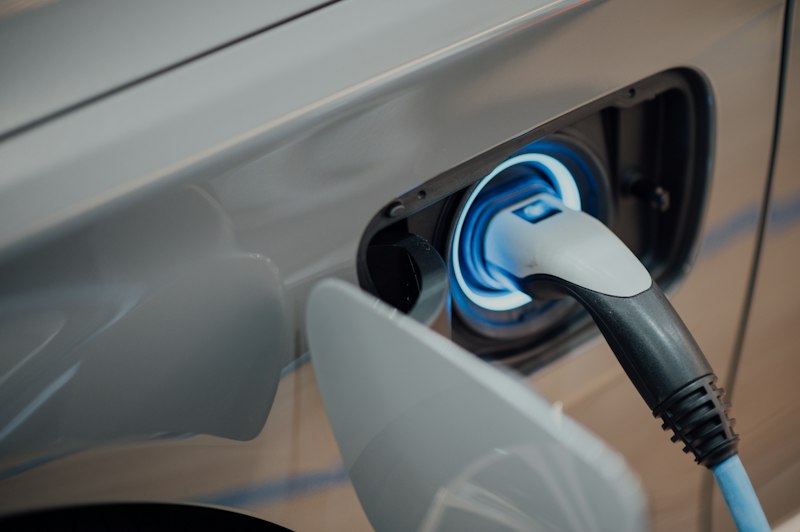
Is this range enough? Depends on how you use it. My daily commute is 22 kilometers one way, charging once a week is completely fine. I have a charging station in my garage—plug in at night, full charge in the morning. On weekends I occasionally drive to Seattle (two hours past the border), stopping once at Electrify America in Bellingham to charge, twenty minutes from 20% to 80%.
I tried a long trip once. Last summer I drove from Vancouver to Banff, over 900 kilometers one way. I stopped three times to charge along the way, spending about an hour and a half total at charging stations. About an hour longer than driving a gas car. Acceptable.
Important Consideration
But if you frequently take long trips, or if you can't install a charging station at home, I wouldn't recommend buying this car. Having to find a public charging station every time—that experience is terrible.
| Season | Official Range (WLTP) | My Real-World Range | Toronto Owner Reports |
|---|---|---|---|
| Summer | 480 km | ~420 km | ~400 km |
| Winter | 480 km | ~320 km | ~280 km |
Issues With This Car
After two and a half years of ownership, there are some things about this car I'm not satisfied with.
That touchscreen-controlled climate system—I still think it's stupid to this day. When you're driving and want to adjust the temperature, you have to look down at the screen to find the button. It's too distracting. What's wrong with physical buttons? Do Hyundai's engineers think physical buttons aren't premium enough?
And that digital side mirror (my trim level includes it)—when it fogs up on rainy days, you often can't see clearly. I ended up just turning it off and using the regular mirror mode. Spent extra money on a feature I don't use. Pretty ironic.
The lumbar support in the seats is also mediocre. I used to drive a Volvo XC60, and those seats were way more comfortable than these. After long drives, my lower back gets sore. I bought a lumbar cushion for forty bucks—problem solved.
Oh right, that driver assistance system (HDA2)—I tried using it a few times on the highway. The lane keeping would suddenly disengage on curves, startling me. After that, I rarely used it.
The Downsides
- Touchscreen climate controls are distracting while driving
- Digital side mirrors fog up and become useless in rain
- Seat lumbar support is mediocre compared to Volvo
- HDA2 lane keeping disengages unexpectedly on curves
What I Love
- 800V ultra-fast charging platform
- Incredibly spacious rear legroom
- Linear, smooth power delivery
- Premium build quality vs competitors
Why I Still Recommend This Car
After talking about all these issues, if someone asked me today what electric car to buy, I would still recommend the Ioniq 5.
The reason is simple: at this price point, this car offers the best overall experience.
That 800V fast charging platform is genuinely fast. The Model 3's charging speed can't match it. The EV6 is a sibling on the same platform, but I think the Ioniq 5 has more space—I can completely cross my legs sitting in the back seat.
I've seen the ID.4 in person, and its build quality is a tier below the Ioniq 5.
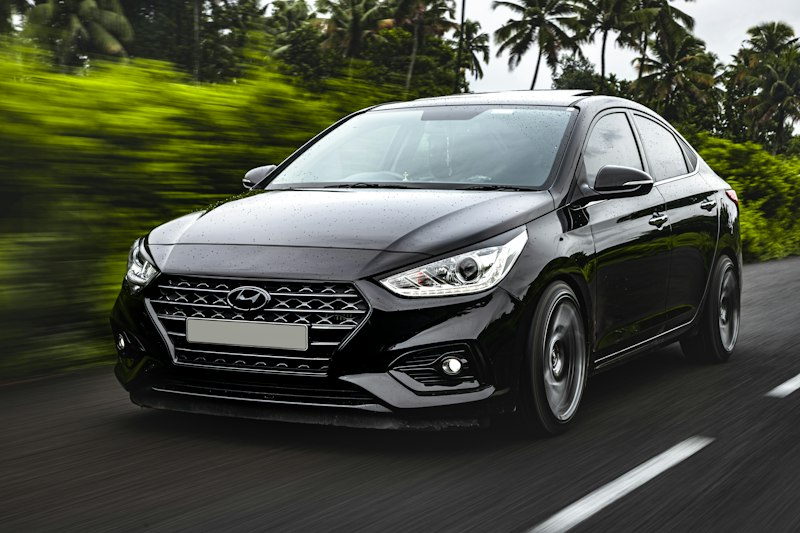
This car sells well in North America for a reason. In 2023, Hyundai ranked second in US EV sales, behind only Tesla. The Ioniq 5 contributed a large part of that. I have six or seven friends who bought this car, and not a single one regrets it.
One friend used to drive a Model Y and switched to an Ioniq 5 last year. He said he's finally free from having to tolerate Tesla's interior.
About Online Reviews
I've noticed a phenomenon. YouTube reviews of the Ioniq 5 were overwhelmingly positive in 2022. By 2023 and 2024, critical voices started appearing. Battery degradation, winter range, software bugs—these issues were being mentioned by more and more people.
What does this tell us? It tells us that early reviews were mostly based on short-term test drives, making videos after driving a few hundred kilometers over three to five days. You only discover the real problems through long-term ownership.
My Approach to Reviews
When I watch car reviews now, I only watch long-term reports made by actual owners. Ten thousand kilometer updates, twenty thousand kilometer updates, one-year ownership summaries—that kind of thing. Those videos with manufacturer-provided press cars driven for just three days have very limited reference value.
A lot of those so-called "professional automotive media" outlets are basically extensions of manufacturer PR departments. I can't say this too directly (after all, I write automotive articles myself), but you know what I mean.
Changes in the 2025 Model
Hyundai just released the 2025 Ioniq 5. A few changes worth mentioning.
The battery has been enlarged, with official range now claimed at 570 kilometers. I'm skeptical—let's wait for real-world test data. They've also added a small front trunk (frunk), which the previous generation didn't have. Some exterior adjustments too, with a sharper front end.
Personally, I think the 2022-2024 exterior looks better. The new one feels over-designed.
Prices have gone up too. The North American market starting price increased by about three thousand dollars. Considering inflation and added features, this increase is reasonable.
If you're looking to buy now, my suggestion is to see if you can find 2024 model year inventory. Similar configuration, significantly cheaper. Dealers are rushing to clear inventory right now, so there's room to negotiate.
My Driving Journey
Looking Forward
I plan to keep driving this car. I'll consider switching when the battery degradation starts affecting daily use. At the current rate of degradation (about 6% over two and a half years), another five or six years should be no problem.
By then, the EV market will certainly look completely different. Solid-state batteries might be in mass production, and the charging network will definitely be more complete. The cars we're buying now will probably look like transitional products in hindsight.
But being a transitional product doesn't mean it's not good. That used Civic I had in 2006 is also a transitional product looking back now. It was with me for four years, and my feelings for it were real.
The Ioniq 5 is the same.